


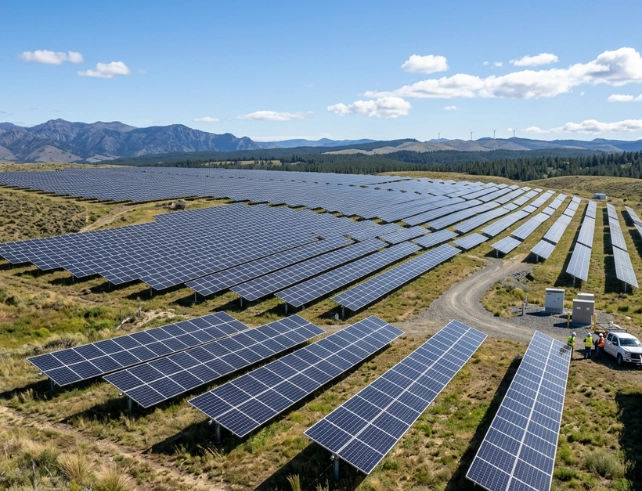
The government aims to install rooftop solar systems in 75 lakh households by December 2026 under the PM Surya Ghar: Muft Bijli Yojana, according to Union New and Renewable Energy Minister Pralhad Joshi.
India is accelerating its rooftop solar deployment efforts, with the Centre setting a target of reaching 75 lakh household installations by the end of 2026 under its flagship PM Surya Ghar: Muft Bijli Yojana.
Speaking about the progress of the programme, Union Minister for New and Renewable Energy Pralhad Joshi said the initiative has gained significant momentum since its launch and is helping households reduce electricity expenses while contributing to the country’s clean energy goals. The scheme is designed to encourage residential consumers to adopt solar power through financial assistance and simplified installation procedures.
The PM Surya Ghar programme seeks to expand rooftop solar adoption across the country by enabling households to generate electricity for their own consumption and, where applicable, supply excess power to the grid. The government views the initiative as an important component of India’s broader energy transition strategy aimed at increasing renewable energy capacity and reducing dependence on conventional sources.
According to the minister, the target of 75 lakh installations reflects the government’s confidence in the programme’s implementation and growing public participation. Increased adoption of rooftop solar systems is expected to support energy security, lower carbon emissions and create employment opportunities across the renewable energy value chain.
The scheme forms part of India’s ongoing efforts to promote distributed renewable energy generation and expand access to clean power technologies. As installations continue to rise, policymakers expect rooftop solar to play a larger role in meeting the country’s sustainability and climate objectives.
With rooftop solar emerging as a key pillar of India’s clean energy roadmap, the government is focusing on scaling implementation and encouraging wider participation from residential consumers across urban and rural regions.
