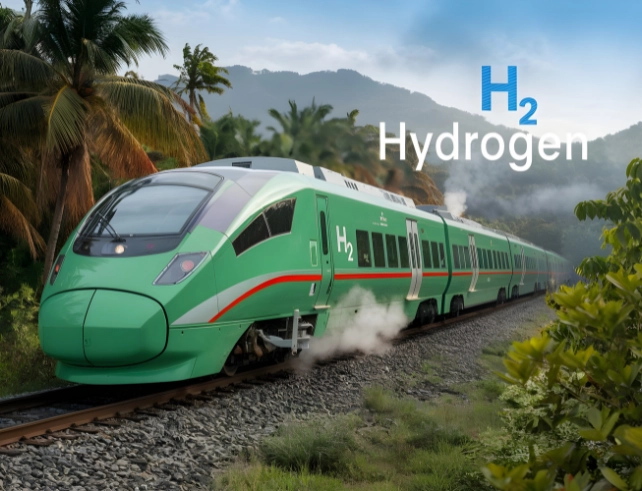
Indian Railways is moving ahead with the introduction of the country’s first hydrogen fuel cell train, a project aimed at reducing carbon emissions while advancing sustainable rail transport through the use of clean energy technology.
The hydrogen-powered train, developed under the Ministry of Railways’ green mobility initiative, is designed to operate using hydrogen fuel cells that generate electricity through an electrochemical process. Unlike conventional diesel-powered trains, the system produces only water and heat as by-products, making it an environmentally friendly alternative for rail operations.
According to the Ministry, the train has been designed with a power output of 2,600 horsepower, making it one of the most powerful hydrogen fuel cell trains developed for broad-gauge railway operations. The project has been undertaken with significant indigenous participation and aligns with India’s efforts to promote cleaner transportation technologies.
The train incorporates multiple safety features, including systems capable of detecting hydrogen leaks, heat, flames and smoke. These measures have been integrated to ensure safe operation of hydrogen-powered rail services while meeting stringent safety standards.
The project also includes the development of hydrogen production, storage and refuelling infrastructure. A dedicated hydrogen generation facility has been established at Jind in Haryana to support the operation of the train. The facility includes hydrogen storage, compression and dispensing systems required for refuelling operations.
The ministry said the hydrogen-powered train is expected to contribute to reducing dependence on fossil fuels while supporting India’s long-term sustainability and decarbonisation goals. Besides lowering greenhouse gas emissions, the initiative is intended to encourage wider adoption of hydrogen-based technologies across the transport sector.
Officials noted that hydrogen fuel cell technology converts hydrogen and oxygen into electricity without combustion, resulting in quieter operations and reduced environmental impact. The project is also expected to strengthen domestic capabilities in the development and deployment of advanced railway technologies.
With the completion of key infrastructure and safety systems, Indian Railways is positioning the hydrogen fuel cell train as an important milestone in the country’s transition towards cleaner and more sustainable rail mobility.
Source: This article is based on an official press release issued by the Press Information Bureau, Ministry of Railways, Government of India
Press Release Page | Press Information Bureau