Schneider Electric and Networks for Humanity (NFH) have signed a memorandum of understanding to explore digital infrastructure that could connect electricity providers, consumers and energy assets across India. The partnership will assess pilot projects aimed at improving coordination and flexibility as the country’s power demand rises.
Announced on September 30, 2026, the agreement combines Schneider Electric’s expertise in energy management and automation with NFH’s work on open, interoperable digital networks.
Pilot Projects to Focus on Energy Management
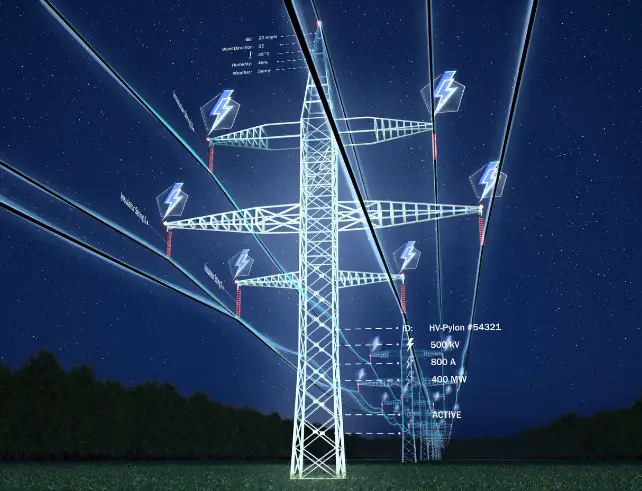
The proposed Digital Energy Grid (DEG) aims to establish a shared digital layer through which different participants in the energy ecosystem can interact. The initiative is linked to the India Energy Stack, which seeks to provide common digital infrastructure for energy-related applications and services.
The collaboration comes as India’s electricity system faces growing and more complex demand. Peak power demand is expected to approach 300 gigawatts in 2027, driven partly by data centres, artificial intelligence infrastructure and electric vehicles. The expansion of renewable energy and distributed power resources is also increasing the need for systems that can respond more flexibly to changing supply and consumption patterns.
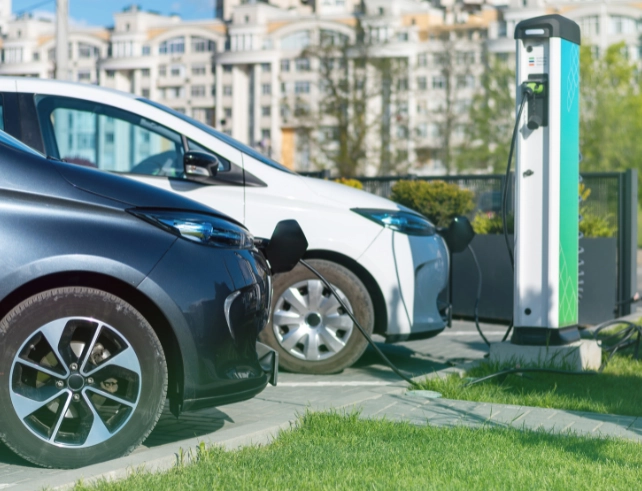
Under the agreement, the two organisations will identify and evaluate pilot applications across several areas. These include energy intelligence for utilities, demand flexibility in industrial facilities and buildings, residential energy management, and flexible charging for electric vehicles. Carbon footprint accounting and trading are also among the proposed areas of exploration.
Schneider Electric will contribute technologies and expertise covering digital grids, automation, distributed energy resources, microgrids, electric vehicle charging, and energy management for homes and buildings. These capabilities could help connect energy infrastructure with consumers and support programmes that adjust electricity demand.
Wider Deployment Will Depend on Pilot Results
The planned trials will examine the technical and operational requirements of selected applications. They will also assess whether the proposed systems can support three key functions: helping participants discover available services, establishing trust between parties, and enabling transactions between those providing and using services.
Sujith Nair, co-founder of Networks for Humanity, said greater coordination between digital systems and participants would be important as energy infrastructure becomes increasingly distributed.
Schneider Electric India managing director and chief executive Deepak Sharma said the agreement would explore how open digital networks could improve connections across the energy ecosystem.
Any wider rollout will depend on the results of the pilot projects and subsequent agreements between the organisations. The partnership is therefore focused initially on evaluating potential applications rather than announcing a full-scale deployment of the Digital Energy Grid.
source:Schneider Electric partners with Networks for Humanity to advance India’s Digital Energy GridSchneider Electric partners with Networks for Humanity to advance India’s Digital Energy Grid | Schneider Electric India