Skip to content Skip to footer

Due to security concerns, India effectively bans Chinese brands and tightens CCTV regulations.

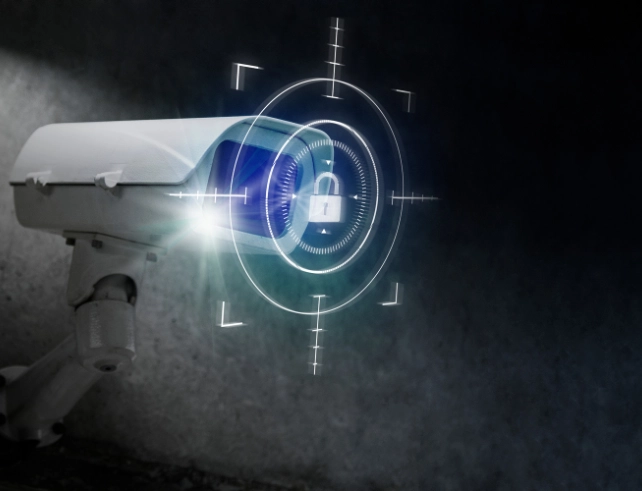
Since April 1, India has imposed more stringent rules on internet-connected CCTV cameras, thereby limiting goods from Chinese companies including Hikvision, Dahua Technology, and TP-Link. 

Before being marketed, all CCTV equipment must be certified by the Standardization Testing and Quality Certification framework, according to new regulations. Devices connected to Chinese manufacturers or chipsets are allegedly being denied certification by authorities, thus keeping them off the market. 

As connected surveillance systems are perceived as more susceptible to hacking and possible exploitation for espionage, the action tries to address growing cybersecurity threats. Secure firmware, robust encryption, the absence of backdoors, and tamper resistance are all required by the new standards. 

Concerns have increased due to stories of surveillance cameras being used in confrontations between nations like Israel and Iran. Countries like the United States, the United Kingdom, and Australia have previously enacted similar limitations. 

While domestic producers are unaffected, the new regulations extend previous requirements to government installations and now apply to all CCTV devices marketed in India. 

Source – India Today 

Leave a comment

Since April 1, India has imposed more stringent rules on internet-connected CCTV cameras, thereby limiting goods from Chinese companies including Hikvision, Dahua Technology, and TP-Link. 

Before being marketed, all CCTV equipment must be certified by the Standardization Testing and Quality Certification framework, according to new regulations. Devices connected to Chinese manufacturers or chipsets are allegedly being denied certification by authorities, thus keeping them off the market. 

As connected surveillance systems are perceived as more susceptible to hacking and possible exploitation for espionage, the action tries to address growing cybersecurity threats. Secure firmware, robust encryption, the absence of backdoors, and tamper resistance are all required by the new standards. 

Concerns have increased due to stories of surveillance cameras being used in confrontations between nations like Israel and Iran. Countries like the United States, the United Kingdom, and Australia have previously enacted similar limitations. 

While domestic producers are unaffected, the new regulations extend previous requirements to government installations and now apply to all CCTV devices marketed in India. 

Source – India Today