The geopolitical fallout from the Iran-US-Israel conflict has begun making its way into Pune’s kitchens – both commercial and domestic. Restaurants and eateries across the city are reporting a tightening supply of 19-kg commercial LPG cylinders, while residents are finding it harder to book domestic gas under new restrictions that came into effect on March 5.
New booking windows introduced on March 5 now restrict customers to placing their next LPG order only 25 to 30 days after their previous delivery.
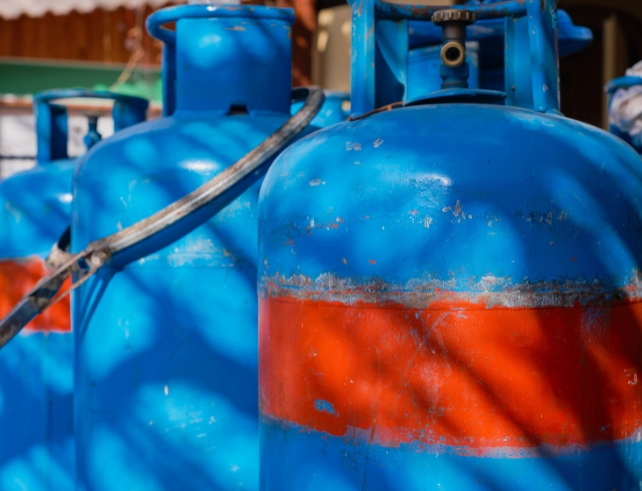
The impact is visible on the ground. At Amrapali Gas Agency, which serves 35,000 customers, daily bookings have jumped from around 800 to over 1,200 in just four days – a 30 to 40 per cent surge. “Customers have been crowding our office and booking cylinders in advance,” Kamble said. “There is clear panic among them. They fear there will be a shortage of LPG cylinders in the coming days.”
K Jaysing, a resident of Nigdi, said he tried multiple times to book his domestic cylinder through the usual phone call booking, but could not get through. “The number we used to regularly call for booking was out of reach,” he said.
Mahesh Sudhalkar, Pune’s District Supply Officer, confirmed the new restrictions and urged residents not to panic. “There have been restrictions placed on domestic LPG cylinders. The new booking window is around 25 to 30 days, meaning if someone receives a cylinder today, they can place their next booking only after that period. So residents are advised to use their cylinder stock judiciously,” he said.
He added that authorities are actively working to prevent black marketing, with teams being formed to monitor distribution. “We are working towards streamlining the domestic gas supply. The central government has also directed oil companies to ensure uninterrupted domestic LPG supply, in view of the international situation,” Sudhalkar said.
Gas agencies in Pune said new commercial LPG bookings have been paused temporarily, with supply currently running on leftover stock. They also flagged sharp price increases: the price of a domestic cylinder has risen from Rs 855.50 to Rs 915.50, while a 19-kg commercial cylinder now costs Rs 1,897, up from Rs 1,754.
The stock and supply of domestic LPG from supplier companies is low. And the demand for both domestic and commercial cylinders has risen exponentially,” a gas agency representative said. New gas connections, too, are currently not being issued under the latest government directives.
The global trigger
A senior official from BPCL said the company is monitoring stock levels across the country and has prioritised domestic LPG supply. “There is no major issue as of now,” the official said, while acknowledging that commercial LPG supply constraints are directly linked to the ongoing Middle East conflict. “Supply restrictions on commercial LPG depend on how long the war continues.”
The official explained that the Government of India has directed all oil refining companies to prioritise propane and butane streams, the core components of LPG, for cylinder production, restricting their diversion towards petrochemical and industrial uses. “A waiver allowing Indian refiners to purchase Russian crude oil has also been enforced, which should help stabilise supply over time,” the official added.
Petrol, Diesel and CNG: Normal for now
While LPG supply remains under pressure, Pune’s petrol, diesel, and CNG supply chains are functioning normally, at least for now.
Dhruv Ruparel, president of the Petrol Dealers Association, Pune, said tanker dispatches from oil company terminals are continuing on schedule, and petrol pumps are maintaining adequate stock. “Citizens need not worry about the availability of fuel at retail outlets,” he said.
However, he flagged that international crude oil prices have risen sharply, from around $65–68 per barrel earlier to approximately $110–115 per barrel currently, owing to the geopolitical tensions.
While this has not yet translated into higher pump prices, Ruparel said that oil marketing companies periodically review factors such as inventory costs and exchange rates before revising retail prices. “As of now, no official advisory has been issued regarding restricted use of fuel or supply limitations,” he added. Sudhalkar also confirmed there is no shortage of petrol, diesel, or CNG in Pune at this time.