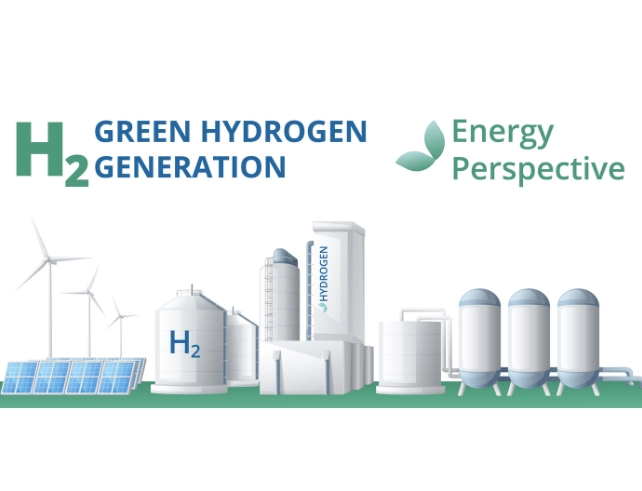
The global hydrogen storage market is projected to grow rapidly through 2033 as governments and industries increase investments in low-carbon energy systems, renewable integration and hydrogen-based transportation.
The hydrogen storage market is expected to expand significantly over the next decade, driven by rising demand for cleaner fuels and growing efforts to reduce carbon emissions across industrial and transportation sectors.
According to a recent market analysis by Persistence Market Research, the global hydrogen storage market is estimated to be worth US$2.9 billion in 2026 and is forecast to reach US$11.7 billion by 2033, registering a compound annual growth rate (CAGR) of 22.9% during the forecast period.
The study attributes the growth to increasing adoption of low-carbon and renewable hydrogen in industries such as oil refining, chemicals, power generation and transportation. Governments worldwide are also integrating hydrogen into broader decarbonization strategies, creating demand for reliable storage technologies that can support large-scale hydrogen deployment.
Asia Pacific is expected to account for the largest share of the market in 2026, supported by manufacturing activity in China and Japan, India’s hydrogen initiatives, expanding renewable energy projects and investments in hydrogen infrastructure. North America is projected to record the fastest growth, aided by hydrogen hub developments, government incentives and investments in large-scale storage projects.
Among storage solutions, physical storage methods such as compressed gas and liquefied hydrogen are expected to dominate the market, accounting for around 80% of revenue in 2026. Hydrogen cylinders are forecast to remain the leading product segment due to their widespread use across industrial applications and distribution networks.
The report also highlights growing opportunities linked to renewable energy integration. Hydrogen is increasingly being viewed as a long-duration energy storage solution capable of storing excess electricity generated by solar and wind projects, helping improve grid stability and energy security.
Despite strong growth prospects, the sector continues to face challenges, particularly the limited availability of hydrogen refueling infrastructure. High installation costs and strict safety requirements have slowed the rollout of fueling networks, affecting adoption in transportation and other commercial applications.
Oil refineries are expected to remain the largest end-user segment, while automotive and transportation applications are forecast to record the fastest growth as fuel-cell vehicles and hydrogen-powered mobility solutions gain momentum globally.
Source: Information based on an official announcement issued by Persistence Market Research
Hydrogen Storage Market forecast 2026 – 2033