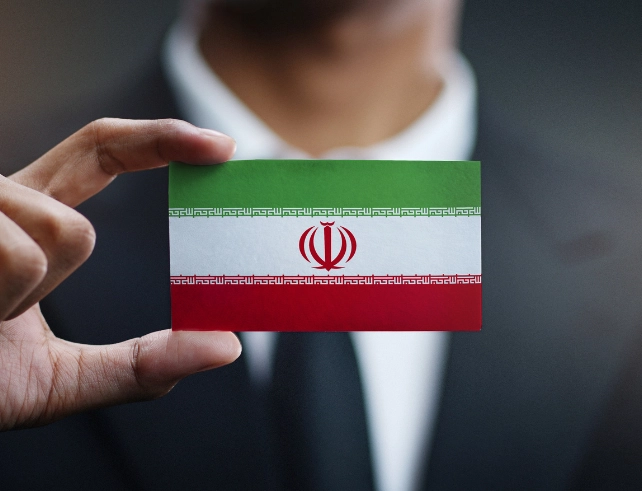
The Gulf area, a vital center for India’s oil, trade, and remittance flows, is being disrupted by growing tensions with Iran, posing fresh challenges to the country’s robust economic momentum.
Approximately 40% of India’s oil imports and 80% of its gas supply come from the Middle East. Given that India imports about 90% of its crude needs, rising crude prices during the conflict pose a threat to inflation and public finances.
Concerns about trade disruptions are also growing. Shipments of Indian goods, such as textiles, electronics, and refined fuels, may be impacted by operational difficulties on important export routes and logistics hubs like Dubai.
Another important component of India’s external sector, remittances, is in jeopardy. Ten million Indians reside and work in the Gulf, which accounts for over 40% of the nation’s foreign remittances. Any regional economic downturn might reduce inflows and put pressure on the rupee.
Analysts caution that growth could be severely impacted by persistent oil prices above $100 per barrel. Despite having substantial foreign exchange reserves at the moment, India may see pressure on its balance of payments due to declining exports and rising import costs.
Even though the economy is still strong, sustained geopolitical unrest may put its capacity to maintain macroeconomic stability and growth to the test.
Source – The Economic Times