India has expanded its technological infrastructure in the strategic research sector with the inauguration of the Versatile Deuterated Compounds Production Plant (VDPP) and the commissioning of a 24 kA Prototype Sodium Cell at Heavy Water Board Facilities (HWBF) in Vadodara.
The facilities were inaugurated on June 21 by Ajit Kumar Mohanty, Secretary, Department of Atomic Energy (DAE) and Chairman, Atomic Energy Commission (AEC). The developments are aimed at enhancing indigenous technological capabilities and supporting long-term objectives linked to India’s nuclear and advanced research programmes.
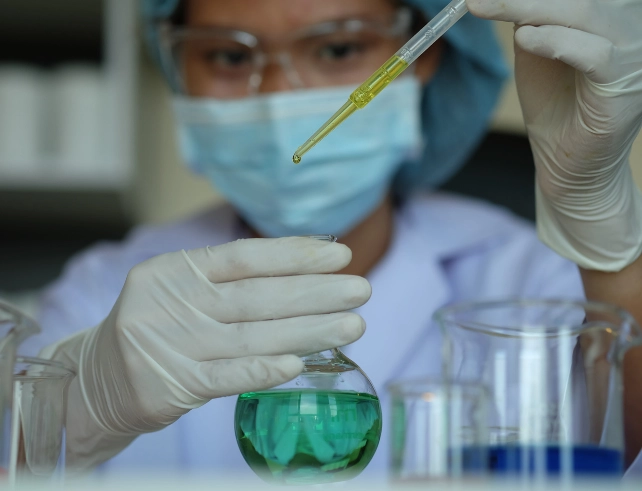
The newly established VDPP has been designed to produce specialised deuterated compounds required for scientific research, strategic applications and frontier technologies. The facility is expected to strengthen domestic production capacity in an area that has significant relevance for research institutions and advanced technology programmes. By enabling local manufacturing of these specialised compounds, the plant is intended to reduce reliance on imports and support critical scientific requirements within the country.
Alongside the VDPP inauguration, DAE commissioned a 24 kA Prototype Sodium Cell, a technology milestone associated with nuclear-grade sodium production. Sodium plays an important role in India’s Fast Breeder Reactor programme, which forms part of the country’s long-term nuclear energy strategy. Officials noted that the successful commissioning of the prototype cell demonstrates progress in indigenous technology development for critical nuclear applications.
The event was attended by senior officials from the Department of Atomic Energy and associated institutions. Among those present were V. N. Rajasekharan Pillai, Vice Chancellor of Somaiya Vidyavihar University; S. V. A. Prasad, Chairman and Chief Executive of the Heavy Water Board; and other senior representatives from the DAE, HWB and related organisations.
According to the Department of Atomic Energy, the two facilities reflect ongoing efforts to strengthen technological self-reliance, advance scientific innovation and build domestic expertise in strategically important sectors. The initiatives are also expected to contribute to India’s broader goals in research, innovation and indigenous technology development.
Source: This information is based on an official press release issued by Press Information Bureau (PIB), Department of Atomic Energy, Government of India
Press Release: Press Information Bureau