


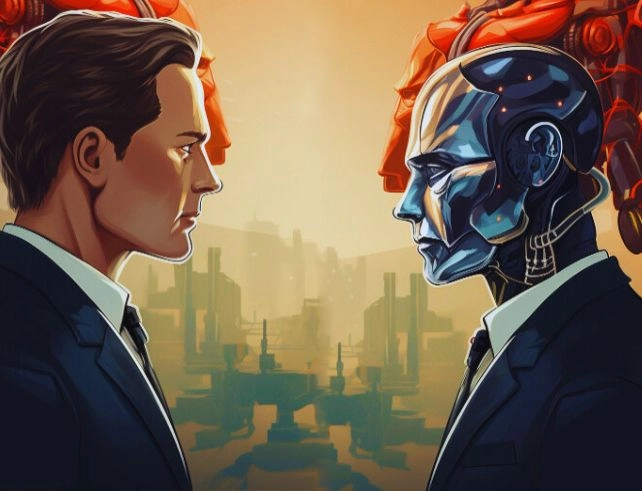
Walk into any factory today and you will notice a major shift. Machines are doing more work than ever before. Robots move parts, screens display production data, and many processes run automatically. But you will also see people everywhere: operators, engineers, supervisors, and maintenance teams are still an essential part of daily operations.
So, what is really happening?
Is automation replacing people, or is something else going on?
Why is everyone talking about this now?
Manufacturing is under pressure, Customers want faster deliveries, Quality expectations are higher, Costs keep rising. At the same time, many factories struggle to find skilled workers. Because of all this, automation seems like the obvious solution.
But automation is not just about replacing human effort. It is about making work easier, safer, and more consistent. The real question is not automation or manpower. The real question is how to combine both effectively.
What does automation do best?
Automation is excellent at repetitive tasks. Work that is boring, physically demanding, or requires the same action repeatedly is ideal for machines. They can run for long hours without slowing down. They deliver steady output and reduce errors caused by fatigue.
This is why automation is widely used in assembly, packaging, material handling, and inspection. It helps factories meet production targets and maintain consistent quality.
But does this mean people are no longer needed?
Not at all.
Why are people still important?
Machines only do what they are programmed to do. They do not understand the bigger picture. People do.
Operators notice unusual sounds, smells, or movements before they turn into major issues. Engineers step in when machines behave unexpectedly. Supervisors adjust priorities when plans change.
These are things automation cannot handle independently.
In factories with frequent product changes or low production volumes, human involvement becomes even more critical. Flexibility remains a uniquely human strength.
Does automation take away jobs?
This is a common concern, and it is understandable. Yes, some manual roles decrease as automation increases. But new roles are created as well.
Modern factories need people who can operate automated machines, maintain and troubleshoot systems, interpret data, and solve process issues.
Work does not disappear. It evolves.
Companies that plan their automation journey wisely also invest in training. When workers gain new skills, automation becomes a support system rather than a threat.
Is full automation always the right choice?
Not necessarily.
Full automation requires high investment, detailed planning, and skilled technical teams. It may not be suitable for every factory, especially where product variety is high or volumes are unpredictable.
Many manufacturers find better results with partial automation using simple machines, collaborative robots, and digital tools to support workers. Human involvement remains, but heavy or repetitive work is reduced.
This approach often delivers strong outcomes without making operations overly complex.
What about quality and safety?
Automation improves consistency. Machines repeat the same steps precisely and help reduce errors. But people still play an essential role in quality. They understand customer needs and can identify issues that machines might miss.
Safety follows the same principle. Automation removes humans from hazardous tasks, but skilled people are needed to monitor systems and respond when something unexpected happens.
What does the future look like?
The future is not a factory without people. It is a factory where people and machines work together.
Machines handle repetitive and routine tasks. People focus on decision making, improvement, and problem solving. Data from machines helps humans make better choices. Technology supports workers instead of replacing them.
Manufacturing leaders consistently highlight one key point. Successful factories are not the ones that automate everything. They are the ones that automate with a clear purpose.
So where is the real balance?
The balance comes from understanding your processes.
What needs speed and consistency?
What needs human judgment and experience?
Automation and manpower are not competitors. They are partners. When used together in the right way, they create factories that are stronger, safer, and more efficient.
The future of manufacturing is not about choosing between people and machines. It is about helping them work better together.
