


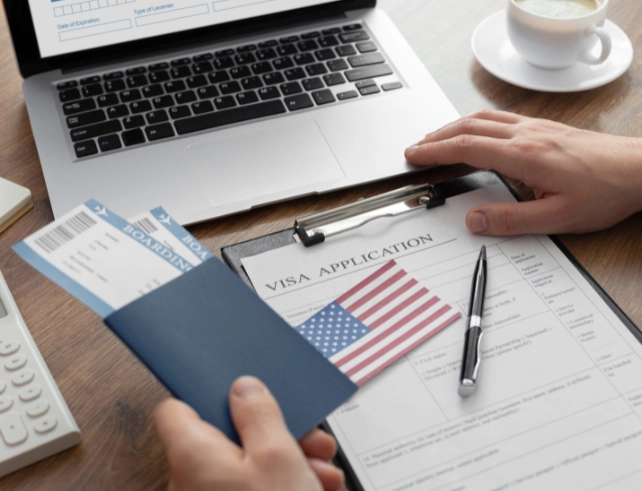
As new laws increase expenses and tighten selection criteria, US firms are increasingly restricting H-1B visa sponsorships, supporting only individuals in senior or specialized posts. According to recruiters and immigration experts, corporations are either deliberately raising base pay or firing potential H-1B applicants in order to increase their chances of winning the wage-weighted lottery in March.
The adjustment comes after policy changes under the Trump administration, such as a changed selection process that favors higher earnings and a proposed $100,000 charge for new H-1B visas. Additionally, employers are submitting fewer applications related to long-term business needs, evaluating employment responsibilities and pay more thoroughly, and reducing speculative filings.
From 358,737 last year to an estimated 250,000–330,000 this year, H-1B registrations are predicted to drop dramatically. Experts blame the drop on increasing expenses, regulatory monitoring, and the possibility of rejections or evidence demands.
While startups and mid-sized businesses are under increasing strain, large technology corporations are better positioned to absorb rising costs but are also becoming more picky. It is anticipated that IT services and outsourcing companies, which significantly depend on high-volume hiring from outside, will be most impacted.
Because salary levels vary greatly by region and job type, legal experts warn that wage-based selection has structural issues. Some caution that the growing expenses may eventually cause international talent to leave the United States.
